Osa Peninsula & Corcovado: Our Local Guide
Why the Osa Peninsula belongs on your itinerary
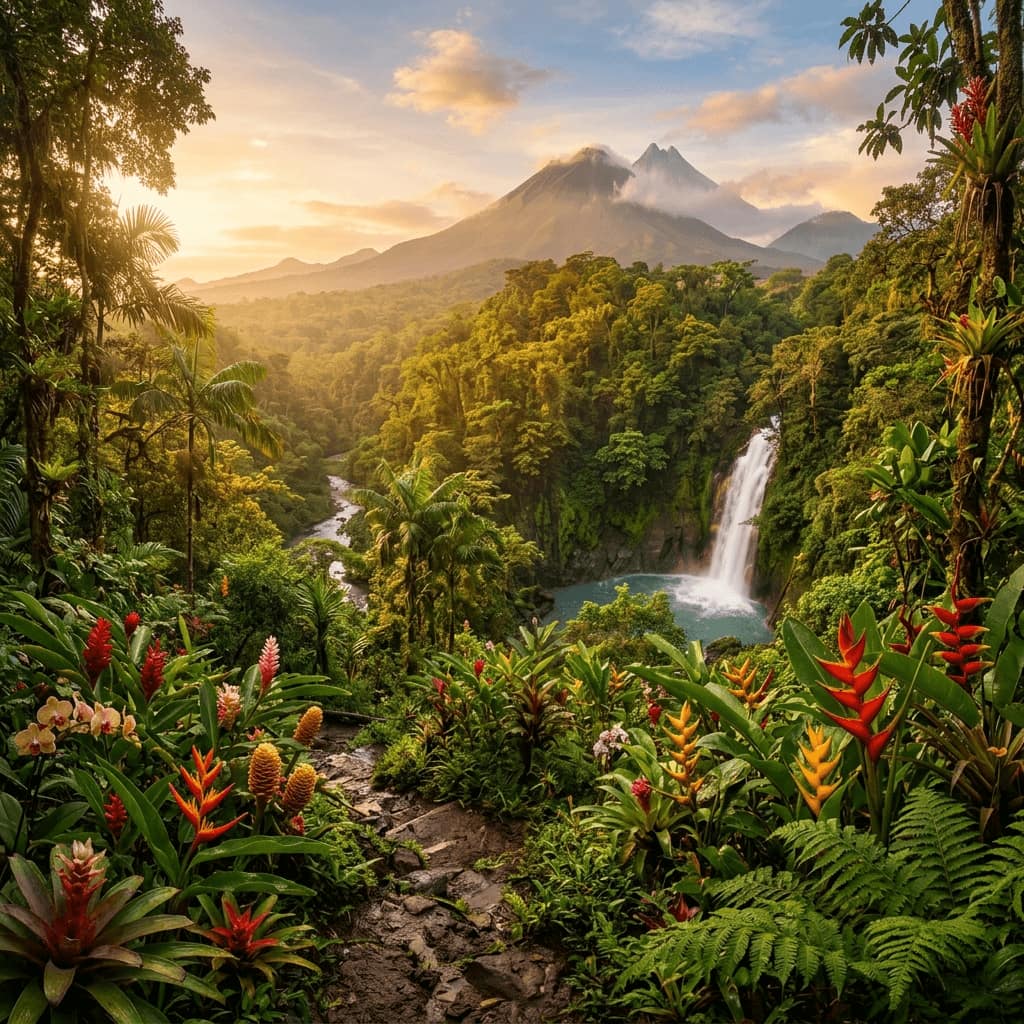
The Osa Peninsula juts into the Pacific from Costa Rica's southern coast, sheltering Corcovado National Park — 42,500 hectares of primary lowland rainforest that National Geographic described as "the most biologically intense place on Earth." This is not hyperbole. Corcovado protects 2.5% of the world's biodiversity: 500 tree species, 375 bird species, 124 mammal species, 71 reptile species, and 46 species of amphibian in a single park. Four species of sea turtle nest on its beaches. All four Costa Rican monkey species roam its trails. Baird's tapirs — the largest land mammal in Central America — wade in its rivers. Jaguars, pumas, and ocelots patrol its interior.
The Osa is deliberately difficult to reach. There are no large resorts, no all-inclusives, no cruise ship terminals. Most of it has no roads. This remoteness is a feature, not a bug — it's the reason the forest is still intact while so much of Central America's lowland rainforest has been cleared. The travelers who make the effort to reach the Osa almost universally describe it as the most extraordinary wildlife experience of their lives.
The peninsula divides broadly into two bases: Puerto Jiménez (a small town accessible by road and domestic flight) and Drake Bay (more remote, accessible by boat or small plane only). Both serve as launch points for Corcovado day hikes. Drake Bay also sits at the mouth of one of Costa Rica's most important humpback whale nursery grounds — making it the best whale watching location in the Americas for much of the year.
What to do in the Osa Peninsula
Corcovado Jungle Expedition
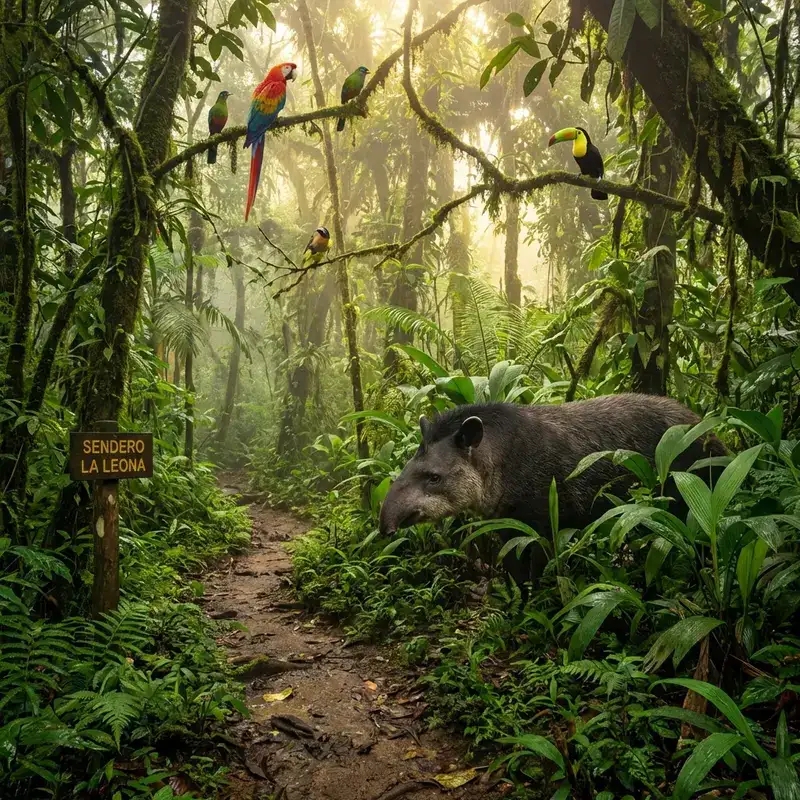
A full-day guided hike into Corcovado National Park's primary forest with a certified MINAE naturalist guide. Enter via the La Leona (beach) or San Pedrillo (Drake Bay) stations. Expect tapirs at the river crossings, scarlet macaws overhead, all four monkey species, and the knowledge that a jaguar is somewhere nearby watching.
Drake Bay Whale & Dolphin Watching
Humpback whales are present in Drake Bay almost year-round thanks to two separate migration populations. A 3-hour boat tour from Drake Bay regularly encounters mother-and-calf pairs, spinner dolphins, and manta rays. August through October is peak season for the North Pacific humpback population — calves are visible at close range.
Sierpe Mangrove Kayak
The Sierpe River drains through the largest mangrove forest in Central America before reaching the sea at Drake Bay. A guided kayak tour through the tidal channels finds American crocodiles, herons, river otters, and the occasional manatee. The mangrove ecosystem here is extraordinarily intact — a rarity anywhere in the tropics.
Caño Island Snorkelling
Isla del Caño, 20 km offshore from Drake Bay, has some of the clearest water and healthiest coral reef in Costa Rica. White-tipped reef sharks, sea turtles, parrotfish, and moray eels are common. The island was a pre-Columbian cemetery and the stone spheres left by the Diquís people are still found on the beach.
Night Walk — Osa Jungle Floor
The Osa's jungle floor comes alive after dark with a density of life that the daytime forest barely hints at. A guided night walk finds red-eyed tree frogs, glass frogs, morpho butterflies roosting, basilisk lizards sleeping on branches, and the eerie green glow of bioluminescent fungi on fallen logs. Unforgettable.
Birdwatching at Dawn
The Osa has 375 recorded bird species — including the harpy eagle (the world's most powerful raptor), the scarlet macaw, the fiery-billed aracari, and 30 species of hummingbird. Our specialist birding guides lead pre-dawn walks that target species rarely seen elsewhere in Costa Rica. This is a bucket-list destination for serious birders.
Getting there
Fly to Puerto Jiménez (PJM): The most practical option. Sansa and Nature Air operate multiple daily flights from SJO to Puerto Jiménez in about 45 minutes. From Puerto Jiménez, all main Corcovado entrances are accessible by 4WD vehicle or boat. We recommend this route for most visitors — it saves 5–6 hours of driving.
Fly to Drake Bay: Small planes serve Drake Bay's grass airstrip from SJO — a 45-minute flight. Spectacular landing over the jungle and ocean. Drake Bay lodges handle the airstrip pickup and onward boat transfer. The most efficient way to reach Drake Bay.
Overland via Sierpe: Drive or take a bus from San José to Palmar Norte (4 hours), then continue 15 km to Sierpe, where boats depart for Drake Bay (1.5 hours through the mangroves and open ocean). For Puerto Jiménez, the drive from San José is 6–7 hours via Ciudad Cortés — manageable if you want the flexibility of a rental car.
Best time to visit
The Osa is one of the wettest places in Costa Rica — annual rainfall can exceed 5,000 mm. December through April is the drier season with easier trail conditions in Corcovado. July through October is the peak whale watching window. The Osa can be visited year-round; the key is planning activities around the weather rather than avoiding the peninsula.
Where to stay
Drake Bay lodges are the most immersive Osa experience — small eco-lodges set in the jungle above the bay, accessible only by boat or plane. Aguila de Osa Inn, La Paloma Lodge, and Drake Bay Wilderness Resort are the standout options. Packages typically include meals, guided tours, and boat transfers. Best for serious wildlife travelers and those targeting Corcovado's northwest entrance.
Puerto Jiménez offers the most flexibility — a small town with guesthouses, restaurants, and tour operators where you arrange your own schedule. The best base for self-directed visitors with a rental car who want to explore at their own pace. Bosque del Río Tigre is an exceptional boutique ecolodge 8 km from town.
Carate is as remote as it gets — a cluster of lodges at the southern end of the Osa, accessible only by 4WD along a tidal beach road (check the tide charts). Luna Lodge and Lookout Inn operate here; staying here puts you at the doorstep of Corcovado's La Leona entrance for dawn hikes.
Wildlife you'll see
- Baird's Tapir — the largest land mammal in Central America; commonly seen at Sirena station river crossings in Corcovado
- All Four Monkey Species — howler, white-faced capuchin, spider, and squirrel monkeys all present in the park
- Scarlet Macaws — fly in noisy pairs over the beach and forest edge; one of the largest populations in Costa Rica
- Jaguar & Puma — present throughout the park; jaguar sightings are rare but recorded regularly by guides near Sirena
- Humpback Whales — mother and calf pairs in Drake Bay almost year-round; best Jul–Oct and Jan–Mar
- Harpy Eagle — the world's most powerful raptor; a rare but documented resident of Corcovado's canopy
- Four Sea Turtle Species — olive ridley, leatherback, hawksbill, and green turtles all nest on Osa beaches
Insider tips
- A certified MINAE guide is legally required for hiking Corcovado's interior trails — book in advance as guide availability is limited, especially December–April.
- Start your Corcovado hike at first light (5:30–6 am). Tapirs, agoutis, and peccaries are most active in the first 2 hours after dawn.
- The beach road to Carate is impassable at high tide — if you're staying there, check the tide chart and plan accordingly. Lodges send clear instructions.
- Pack for genuine expedition conditions: waterproof boots, multiple changes of clothes (everything gets wet), a dry bag for electronics, and insect repellent with DEET.
- Flying in and out saves almost a full travel day versus the bus route and dramatically reduces the logistics complexity — it's worth the extra cost for most visitors.
the Osa Peninsula — questions we get every week
How do I get to the Osa Peninsula?
Is a guide required for Corcovado National Park?
Can I see jaguars in Corcovado?
When is whale watching season in Drake Bay?
What is the difference between Drake Bay and Puerto Jiménez?
How many days do I need on the Osa Peninsula?
Our tours in the Osa Peninsula
- Corcovado Jungle Expedition — 3 Days / 2 Nights, from $550
- Parque Nacional Marino Ballena — Full Day Whale Watching from San José — Full Day, from $250
Other Costa Rica destinations
- Tamarindo — Guanacaste’s surf capital
- Puerto Viejo — Afro-Caribbean Costa Rica
- Uvita & the Costa Ballena — The whale coast
- Río Celeste & Tenorio — The impossibly blue river
- Santa Teresa — End-of-the-road surf town
- Nosara — Wellness meets wilderness