Guanacaste, Costa Rica: Our Local Guide
Why Guanacaste belongs on your itinerary
Guanacaste is Costa Rica's Pacific northwest — a broad, sun-drenched province that stretches from the Nicaraguan border to the Nicoya Peninsula. It has the driest climate in the country, meaning reliable sunshine from November through April when the rest of Costa Rica is still catching afternoon showers. The result is the best guaranteed beach weather in Central America during peak season.
The coastline here is extraordinary in its variety. Within a 2-hour drive of Liberia airport you can find sheltered family bays (Playa Conchal, Playa Flamingo), reliable surf breaks (Tamarindo, Playa Grande), remote wildlife beaches (Ostional, home to the world's largest olive ridley turtle arrivals), and the mangrove estuaries of the Gulf of Papagayo. Most visitors settle in one area — the smart move is to base yourself somewhere central and take day trips.
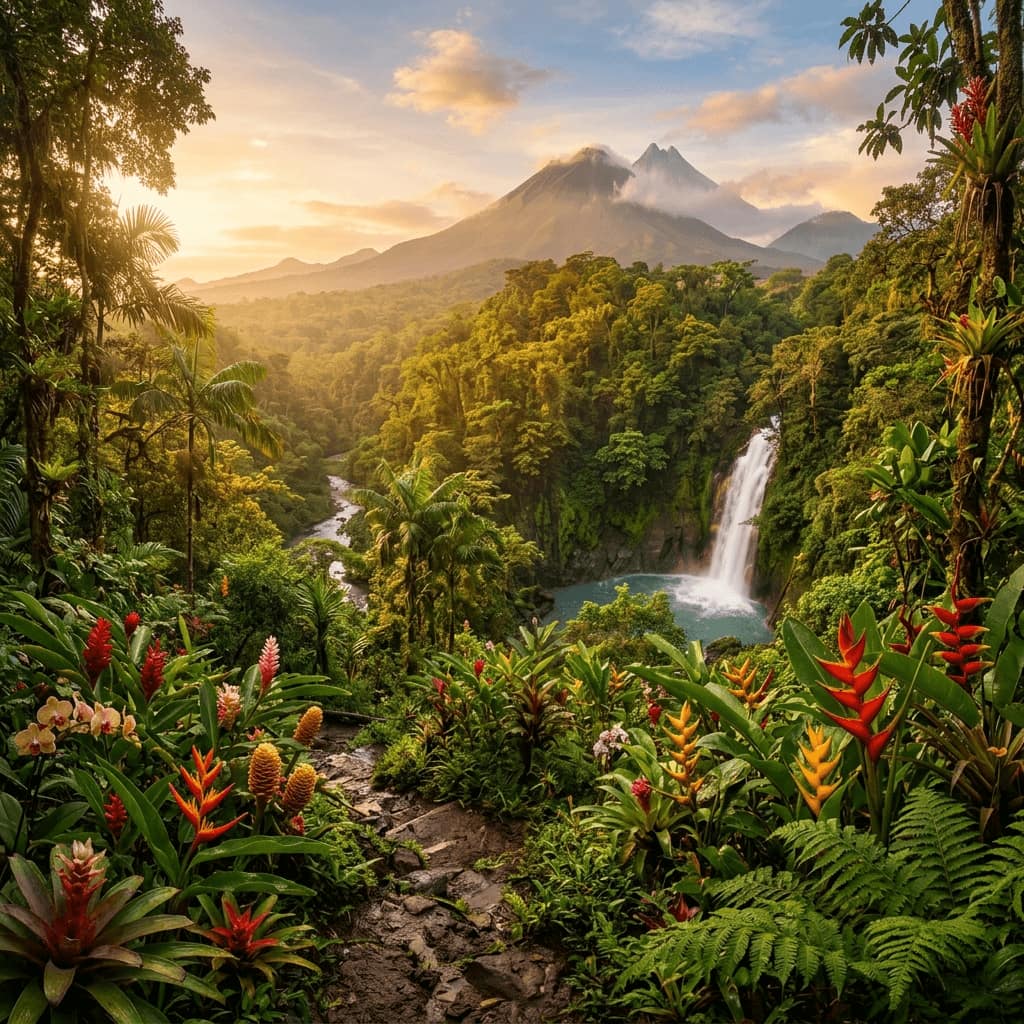
What surprises most first-time visitors to Guanacaste is how accessible the volcano and rainforest experiences are from the coast. Rincón de la Vieja National Park — with its boiling mud pools, steam vents, and jungle waterfalls — is 45 minutes from Liberia. The dry tropical forest of Santa Rosa National Park (home to Witch's Rock surf break) is 30 minutes north. Guanacaste is not just a beach destination; it's one of the most complete provinces in Costa Rica for a 5–7 day trip on its own.
What to do in Guanacaste
Guanacaste Sunset Sail
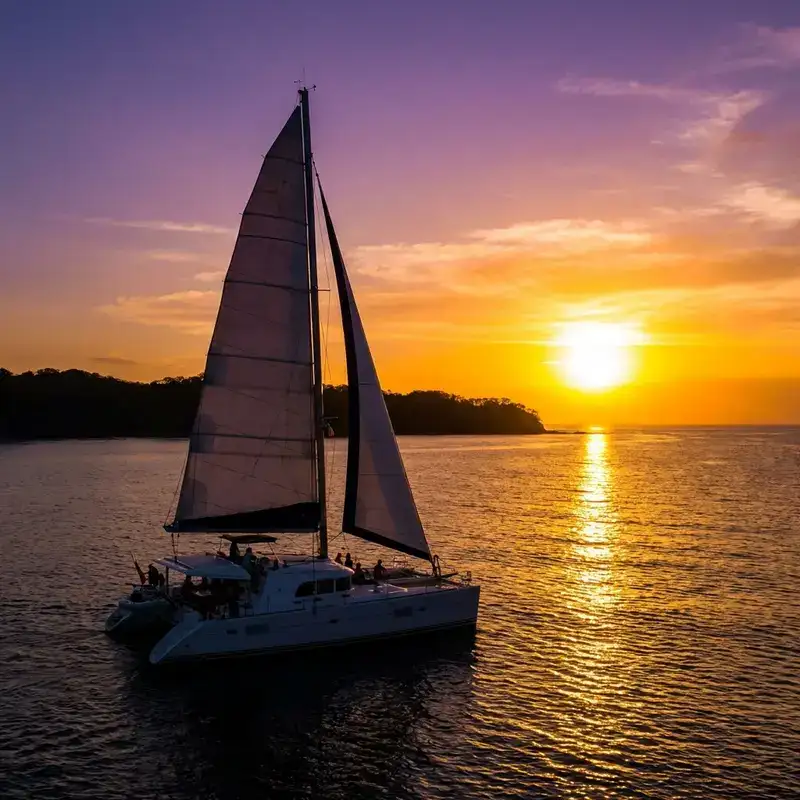
Board a catamaran from Playa Flamingo or Playa del Coco for a 3-hour evening sail along the Gold Coast. Watch the sun drop into the Pacific from the bow — including a stop for snorkelling over the reef and open bar service. One of the most popular activities in the province for good reason.
Rincón de la Vieja Horseback & Mud Baths
Ride on horseback through dry tropical forest to the boiling mud pools and steam vents of Rincón de la Vieja National Park. The natural thermal mud baths are said to be among the best skin treatments in Central America — the guides know which pools are the right temperature. A genuinely unique experience.
ATV Adventure & Waterfalls
Blast through Guanacaste's dry forest trails and beach roads on an ATV, stopping at a jungle waterfall for a swim. One of the most fun ways to cover terrain in the province — popular with families, couples, and anyone who finds beach sitting gets old after day two.
Tamarindo Surf Lessons
Tamarindo Beach is one of the best beginner surf breaks in Costa Rica — consistent small waves, sandy bottom, and a dozen well-run surf schools. Lessons through the local schools typically include board rental and coaching from certified instructors, and most adults stand up on their first day. We do not run surf lessons ourselves, but your driver-guide can drop you at a school we trust.
Tamarindo Catamaran Sunset
A 3-hour evening sail from Tamarindo with snorkelling, open bar, and a sunset over the Pacific. The evening light on the Tamarindo coast is extraordinary — bring a good camera. Dolphins and manta rays are frequently spotted on the return leg.
Rincón de la Vieja Zip-Line & Canyon
Zip-line over the dry forest canopy around the Rincón de la Vieja foothills, then rappel into a volcanic canyon with a hot spring at the bottom. A compelling alternative to the Monteverde experience — different landscape, different feeling, equally exhilarating cables.
Getting there
By air (recommended): Daniel Oduber International Airport (LIR) in Liberia has direct international flights from the US and Canada — American, United, Delta, Southwest, and Air Canada all serve LIR in peak season. Most beach towns are 45–75 minutes from the airport. For a Guanacaste-focused trip, LIR is always the right choice.
From San José (SJO): The drive from SJO to Tamarindo or Playa Flamingo is 4–4.5 hours via the Interamerican Highway (Route 1). A private transfer is the most comfortable option; we arrange pickups from SJO directly to any Guanacaste hotel. Domestic flights from SJO to Liberia take 45 minutes and run multiple times daily.
From Arenal: The drive from La Fortuna to Liberia (gateway to Guanacaste beaches) is approximately 2.5 hours via Route 1 — a common combination for a 10-day itinerary. We arrange private transfers for the full route.
Best time to visit
Guanacaste is the driest province in Costa Rica and the most reliable for beach weather. The dry season (November–April) is exceptional — weeks of unbroken sunshine are common. The green season brings afternoon showers and lower prices, but mornings are typically sunny and the landscape is strikingly green.
Where to stay
Tamarindo is the most complete beach town — restaurants, surf schools, nightlife, and a wide range of hotels from budget surf camps to boutique hotels. It's lively but can feel touristy; best for social travelers and surf beginners.
Playa Flamingo & Playa Conchal are the most upscale options on the Guanacaste coast. Quiet, beautiful, and home to some of the finest boutique resorts in Costa Rica. The Westin Playa Conchal and the Reserva Conchal are the landmark luxury options here.
Nosara & Sámara (Nicoya Peninsula, southern Guanacaste) are quieter and more authentic — popular with yoga retreaters, surfers, and families who want beach life without the Tamarindo bustle. The road in is unpaved but the reward is worth it.
Papagayo Peninsula has the most exclusive all-inclusive resorts in Costa Rica (Four Seasons, Andaz, El Mangroove). Best for a luxury resort experience where you don't plan to leave the property.
Wildlife you'll see
- Olive Ridley Sea Turtles — mass nesting arrivals (arribadas) at Playa Ostional, September–October; one of the most extraordinary wildlife events in the Americas
- Leatherback Sea Turtles — nesting at Playa Grande (adjacent to Tamarindo), October–April; world's largest nesting population
- Howler Monkeys — heard and seen in every patch of dry forest throughout the province
- White-tailed Deer — common in the dry forest of Rincón de la Vieja and Santa Rosa
- American Crocodiles — large specimens visible at the Río Tempisque bridge and estuary
- Manta Rays & Dolphins — frequently spotted on catamaran and snorkelling trips offshore
- Scarlet Macaws — increasing in number along the Nicoya coast after conservation efforts
Insider tips
- Fly into Liberia (LIR) if you can — it saves 4 hours of driving versus arriving at San José and makes the province feel half the size.
- Playa Conchal requires staying at Reserva Conchal or Westin to access — it's private. Ask us how to arrange beach day access if you're not staying there.
- The Veranillo (little summer) in July–August is a reliable dry spell within the rainy season — often excellent beach weather and off-peak prices simultaneously.
- Rincón de la Vieja is best visited in the morning before the afternoon clouds roll in over the volcano. Ask your hotel to arrange the earliest possible departure.
- For surfing, the best waves are May–November when the Pacific swell is most consistent. December–April is calmer and better for beginners and snorkelling.
Guanacaste — questions we get every week
Which airport do I fly into for Guanacaste?
What is the best beach in Guanacaste?
What is Rincón de la Vieja?
Is Guanacaste good for surfing?
What is the best time to visit Guanacaste?
Can I combine Guanacaste with Arenal or Monteverde?
Our tours in Guanacaste
- Ponderosa Adventure Park — Full Day from San José or Guanacaste Add-On — Full Day, from $250
- Guanacaste Beach Hopping — 4 Days from San José — 4 Days / 3 Nights, from $750
- Rincón de la Vieja Mud Pots & Volcano — Full Day from San José or Guanacaste Add-On — Full Day, from $300
- La Leona Waterfall Adventure Hike — Day Trip from San José — Full Day, from $250
- Ostional Turtle Nesting & Nosara — 3 Days from San José — 3 Days / 2 Nights, from $650
- Barra Honda Caverns — Day Trip or 2 Days with a Night in Nicoya — 1 or 2 Days, from $300
Other Costa Rica destinations
- Tamarindo — Guanacaste’s surf capital
- Puerto Viejo — Afro-Caribbean Costa Rica
- Uvita & the Costa Ballena — The whale coast
- Río Celeste & Tenorio — The impossibly blue river
- Santa Teresa — End-of-the-road surf town
- Nosara — Wellness meets wilderness